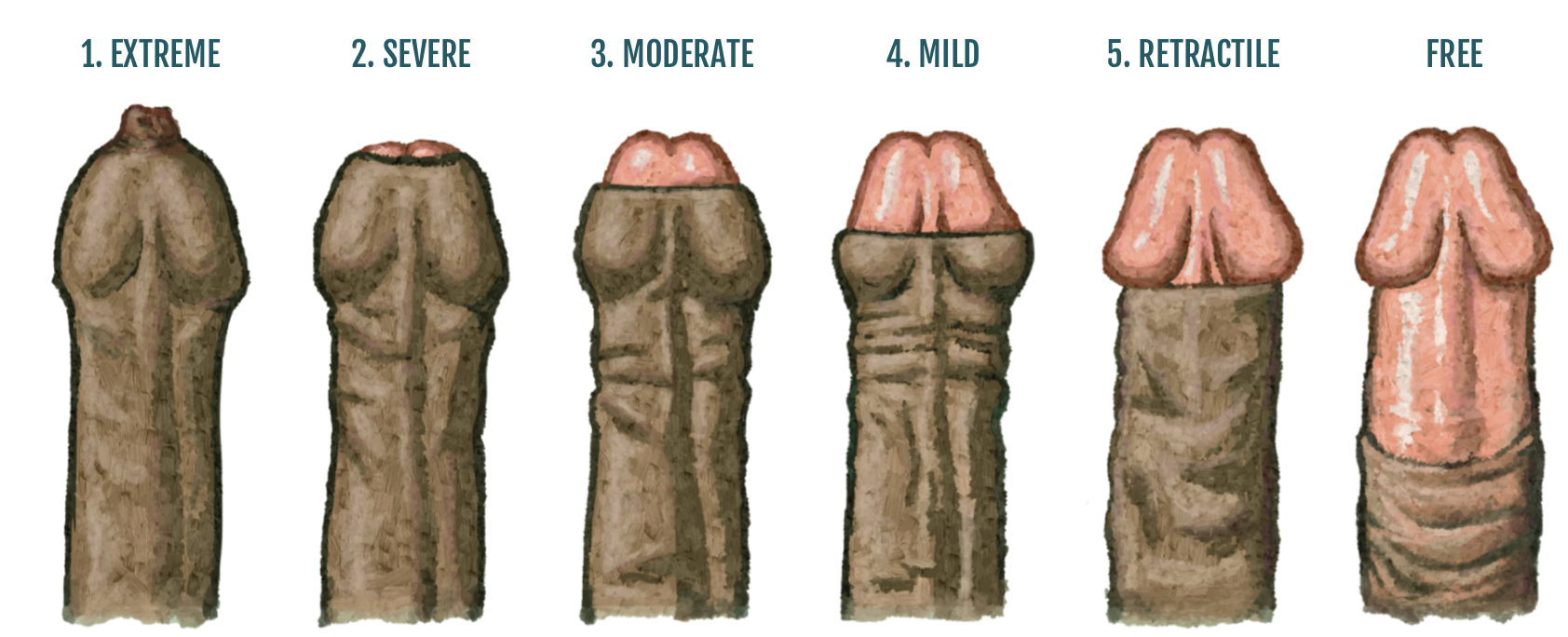
Phimosis is a condition where the foreskin of the penis is too tight and cannot be retracted. This can lead to discomfort and pain during urination and sexual activity. Poor hygiene, skin conditions, injuries, and infections are some of the common causes of phimosis. While some cases may resolve on their own, others require different treatment such gentle stretching exercises, or surgery like circumcision. To prevent phimosis, it’s important to maintain good hygiene habits and seek medical attention if symptoms or trouble moving the foreskin arise.
There are effective treatments for phimosis which helps reduces inflammation and promote foreskin flexibility. Along with the cream, gentle stretching exercises can help to gradually loosen the foreskin. Surgery is considered a last resort for severe cases that do not respond to other treatments. The cost of surgery will be also significantly higher than alternative treatments.
In addition to these treatments, natural remedies may also provide relief for symptoms of phimosis. Warm compresses can reduce swelling and inflammation, and natural oils such as coconut oil or tea tree oil can soothe and heal the skin. However, it’s important to consult with a healthcare provider before trying any natural remedies, as they may not be effective for all cases of phimosis.
Phimosis is a condition in which the foreskin cannot be fully retracted over the head of the penis. It can develop for a variety of reasons. In young children, phimosis is often a normal part of development and usually resolves naturally as they grow older. In adolescents and adults, however, it may be caused by infections, inflammation, injury, or certain skin conditions.
Poor genital hygiene can increase the risk of inflammation and infection, which may lead to phimosis. Other possible causes include scar tissue, persistent foreskin adhesions, sexually transmitted infections (STIs), and a skin condition known as balanitis xerotica obliterans (BXO). Identifying the underlying cause of phimosis is important, as it helps determine the most appropriate treatment.
Phimosis is a condition that can cause discomfort and pain for those affected. It occurs when the foreskin of the penis is too tight to be pulled back over the glans. Although it can sometimes be a natural condition that resolves on its own, it can also be caused by inflammation, infections, or scar tissue buildup.
While surgical procedures such as circumcision are options for treatment, non-surgical treatments like those offered by Novoglan can be effective. For example, the use of Novoglan Treatments can help to stretch the foreskin gradually and promote better function without the need for surgery.
Phimosis is a condition that can cause discomfort and pain during sexual activity or urination, as well as swelling and redness around the foreskin. If left untreated, it can increase the risk of infections. Surgical procedures like circumcision are one way to treat phimosis, but there are also non-surgical phimosis treatments available.
Phimosis can appear as a ring of tight skin around the tip of the penis. In some cases, there may be a buildup of smegma, a white, cheesy substance that can accumulate under the foreskin. If you are unsure whether you have phimosis, it is important to seek medical advice. A healthcare provider can diagnose the condition by examining the penis and recommend the most appropriate phimosis treatment without surgery for your individual needs.
Phimosis may not be a life-threatening condition, but it can significantly impact one’s daily life, causing pain and discomfort during activities like urination or sexual activity. If left untreated, it can lead to more serious complications such as paraphimosis, which requires immediate medical attention.
It is essential to seek medical attention if you suspect you have phimosis or experience any symptoms. Early intervention can help prevent complications and ensure the best possible outcome for your health and well-being.
Phimosis can indeed be a discomforting condition that affects many individuals, particularly young boys and men. It can occur due to natural reasons or underlying medical conditions such as infections or skin conditions.